Exhibition Case of Large-scale Architectural Academic Exhibition "The Inscription of Architecture"
Aug 25, 2026
Exhibition Case of Large-scale Architectural Academic Exhibition "The Inscription of Architecture"
Aug 25, 2026
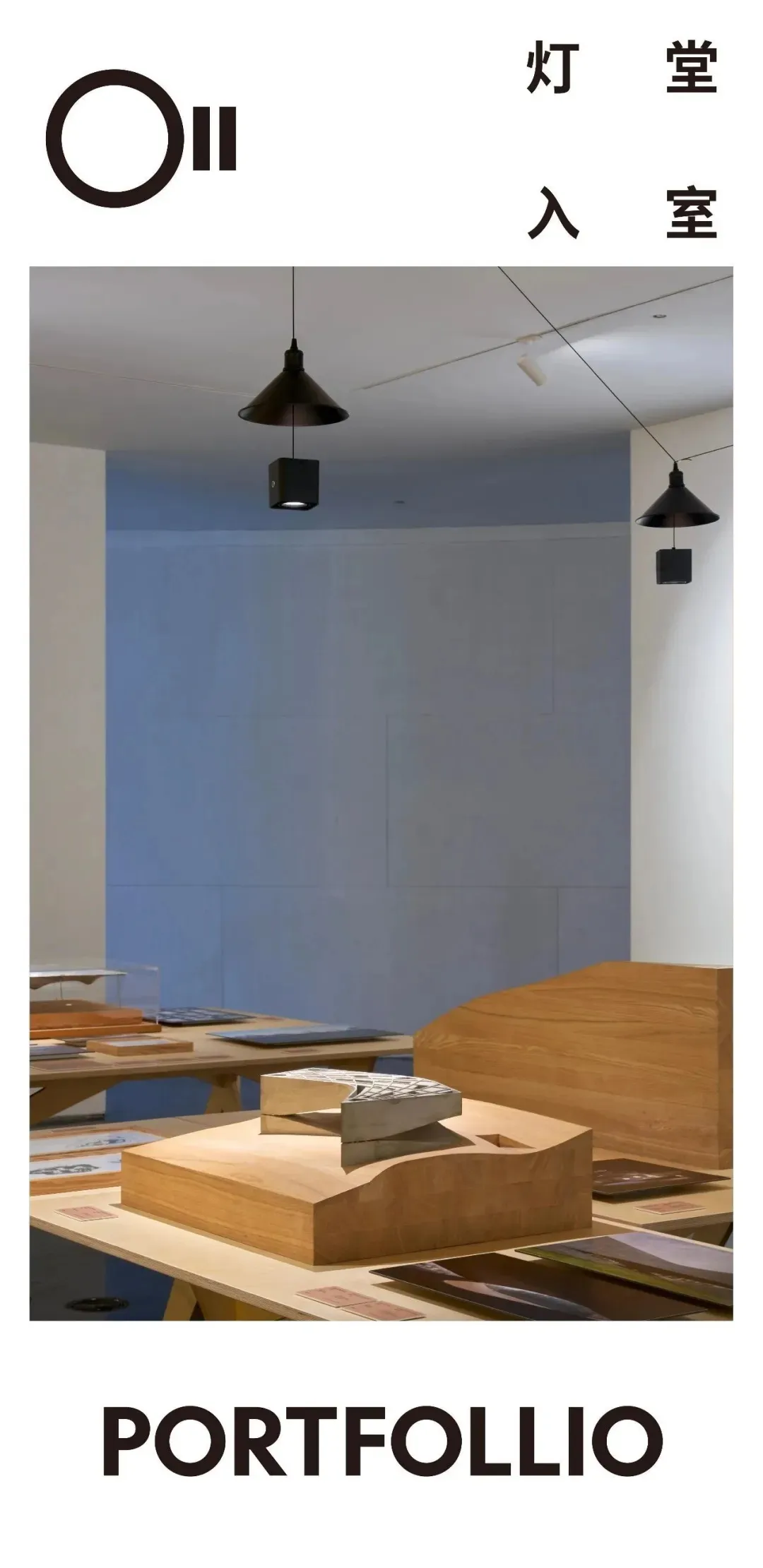
Project Name:“The Inscription of Architecture” Exhibition Lighting Design Project
Project address:Shanghai Tank Art Center
Comprehensive Lighting Solutions:OLL Oule
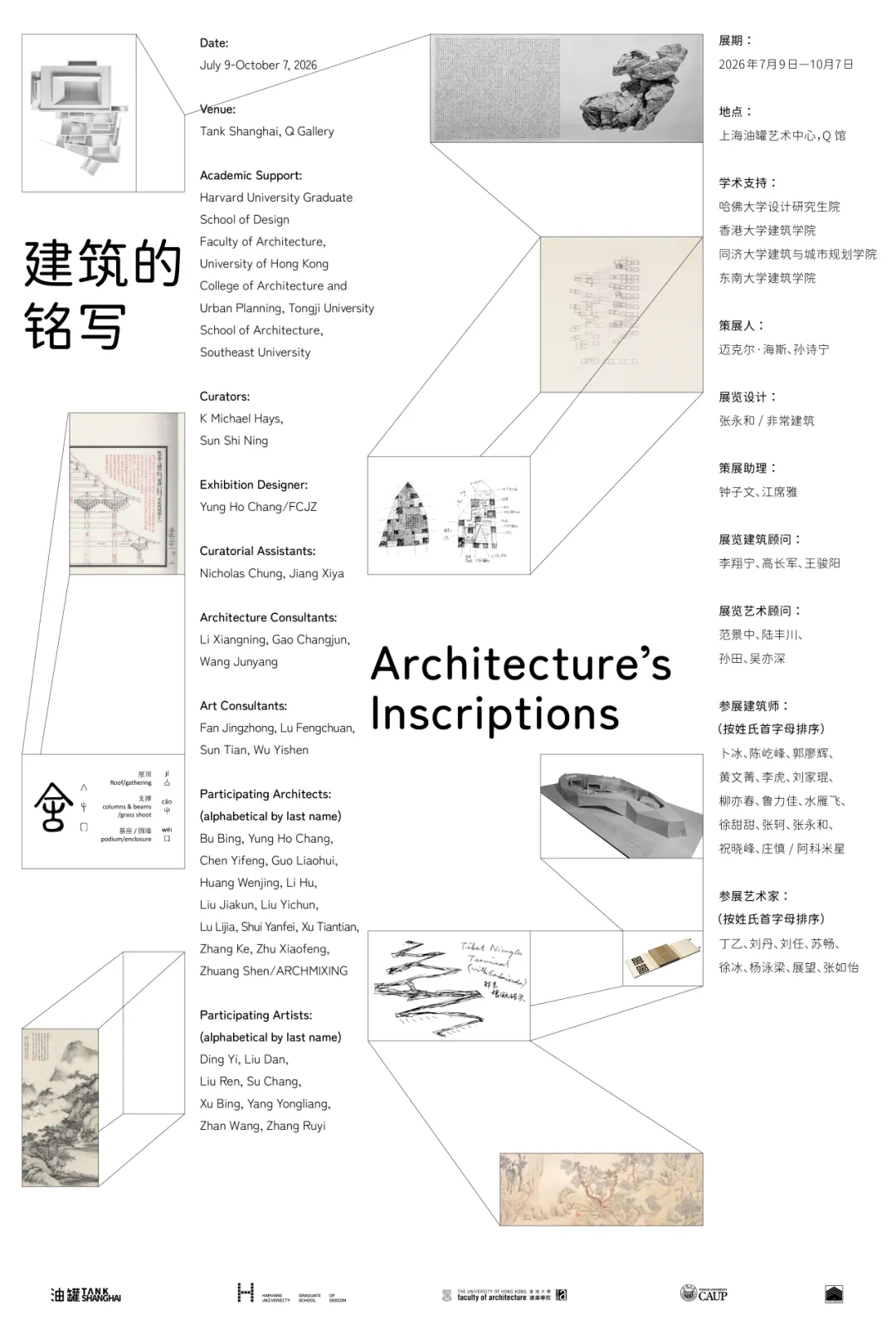
The exhibition “The Inscription of Architecture,” co-curated by K. Michael Hays, professor at Harvard University’s Graduate School of Design, and Dr. Sun Shining, opened on July 9 at the Tank Shanghai Art Center.The exhibition brings together works by 14 Chinese architects and 8 contemporary artists, initiating a dialogue that spans architecture, art, and historical texts.
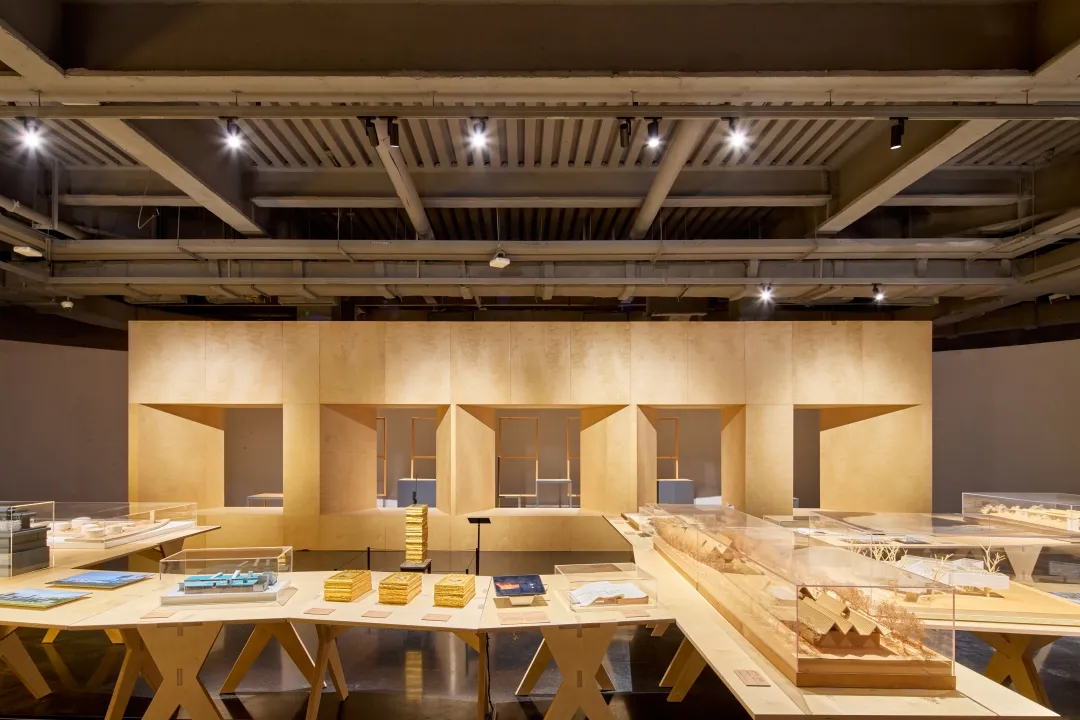
Unlike traditional architecture exhibitions that are organized around individual projects, this exhibition employs a variety of media and works at different scales to create a multifaceted viewing experience, thereby placing higher demands on spatial layering and the presentation of the artworks.As the exhibition lighting and illumination technical support provider, OLL, OP Lighting’s design brand, integrates the characteristics of the exhibits with the curatorial narrative to deliver lighting design and technical support.While clearly presenting the work, it also participates in establishing spatial relationships and visual order.

In response to the diverse artistic forms presented in the exhibition,OLL employs differentiated lighting strategies that align with both the forms of the exhibits and the curatorial requirements.For planar works such as sketches and ancient texts, directional spotlights are used to achieve precise focusing, rendering lines, brushstrokes, and paper‑surface details with greater clarity. Large‑format scrolls displayed vertically are illuminated by floodlights that evenly cover the entire composition, preventing localized over‑exposure or abrupt transitions between light and shadow. On architectural models, the overhead lighting is carefully controlled in terms of its angle of incidence, subtly preserving shadows to evoke the texture and materiality of a real‑world building. The distinct lighting zones are seamlessly integrated, creating a clear and well-organized illumination environment that enhances the richness of the exhibition content.
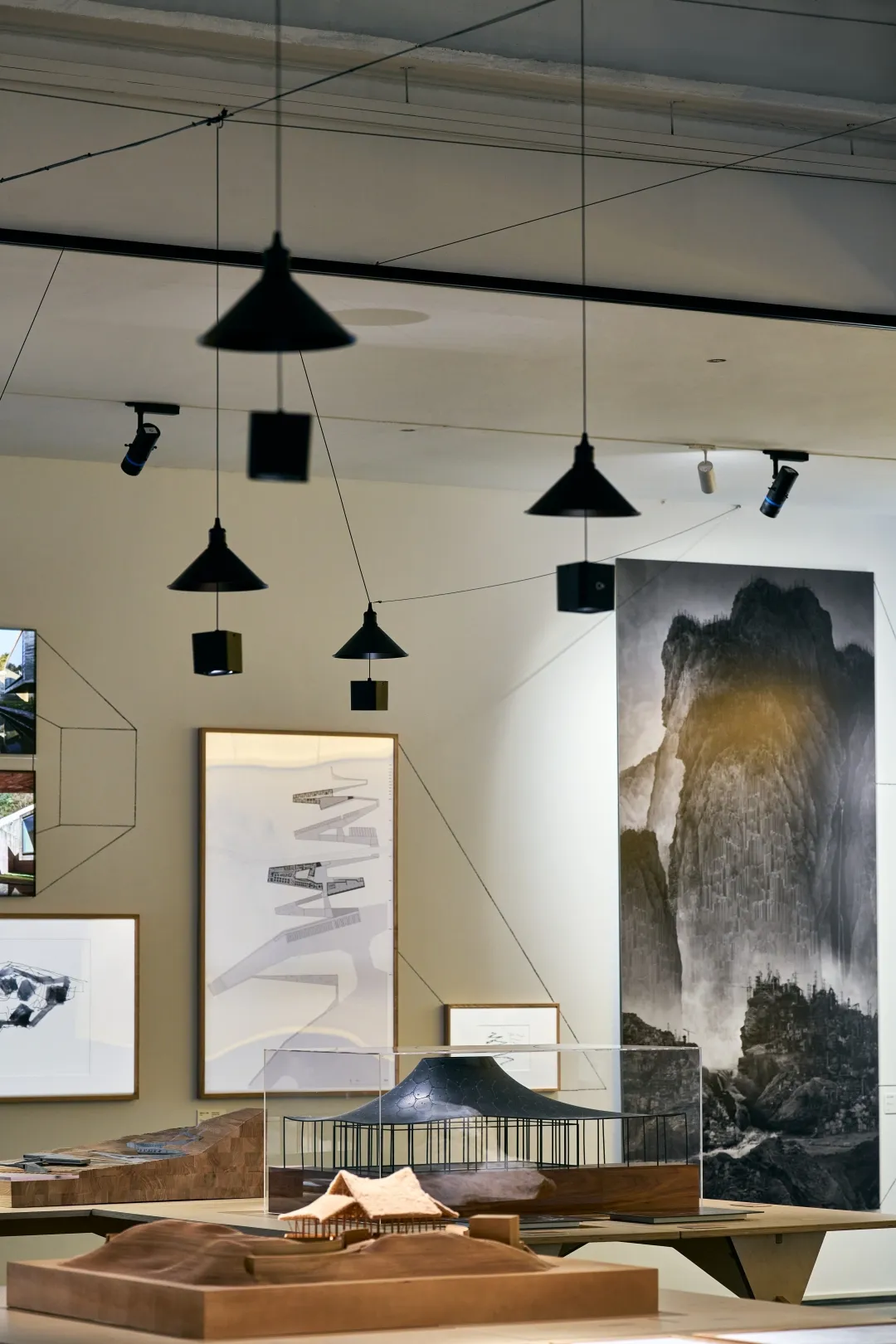
Above the second-floor exhibition hall,The OLL lighting design team suspends square luminaires on slender cables, while Zhang Yonghe, founder of Very Architecture and curator of the exhibition “The Inscription of Architecture,” has integrated this approach into his spatial concept by adding conical shades above the fixtures.The lamp body, shade, and horizontally and vertically extending suspension cables are integrated into the spatial composition, echoing the perspective lines painted on the wall and interweaving with one another within the space. While illuminating the exhibits, the lighting fixtures seamlessly integrate into the space, becoming an integral part of the overall exhibition design.

OLL engaged in conversations with architect Zhang Yonghe, who designed the exhibition’s spatial presentation, and with participating architect Guo Liao Hui.From the perspectives of spatial composition and visual experience, this paper examines how light contributes to the articulation of architecture.
When designing this exhibition, Zhang Yonghe initially planned to render shadows directly onto the architectural models; however, he ultimately opted to employ real lighting, meticulously adjusting the position and beam spread of each fixture so that light and shadow would fall naturally upon the models.This interplay of light and shadow, rendered with natural illumination, has become one of the design details he finds most satisfying in this exhibition.In addition, he regards the walls, chandeliers, and the lines created by light and shadow as integral components of the spatial design, thereby shaping a complex yet legible spatial syntax within the exhibition hall. As he said:“The light cast by a single lamp, in essence, redefines a space within the existing interior.”
Guo Liahui, on the other hand, is more concerned with how architecture is “read” by its audience. Compared with real buildings, models and drawings in the exhibition space inevitably lose their original sense of scale and material qualities.And light, precisely, becomes the crucial medium that bridges the work and its audience.By guiding the viewer through the content and harmonizing the relationships among luminance levels, audiences can more accurately interpret the messages conveyed by the architecture.

At the “Inscription of Architecture” academic forum held on the day of the exhibition’s opening, curator Michael Hays proposed:“Light is of paramount importance to architecture, yet why is it that, today—both in China and abroad—we engage in increasingly less in-depth discourse on the subject?”On this issue, OLL’s CEO Cao Yu, from the perspective of lighting design, has once again placed light at the heart of architectural discourse.
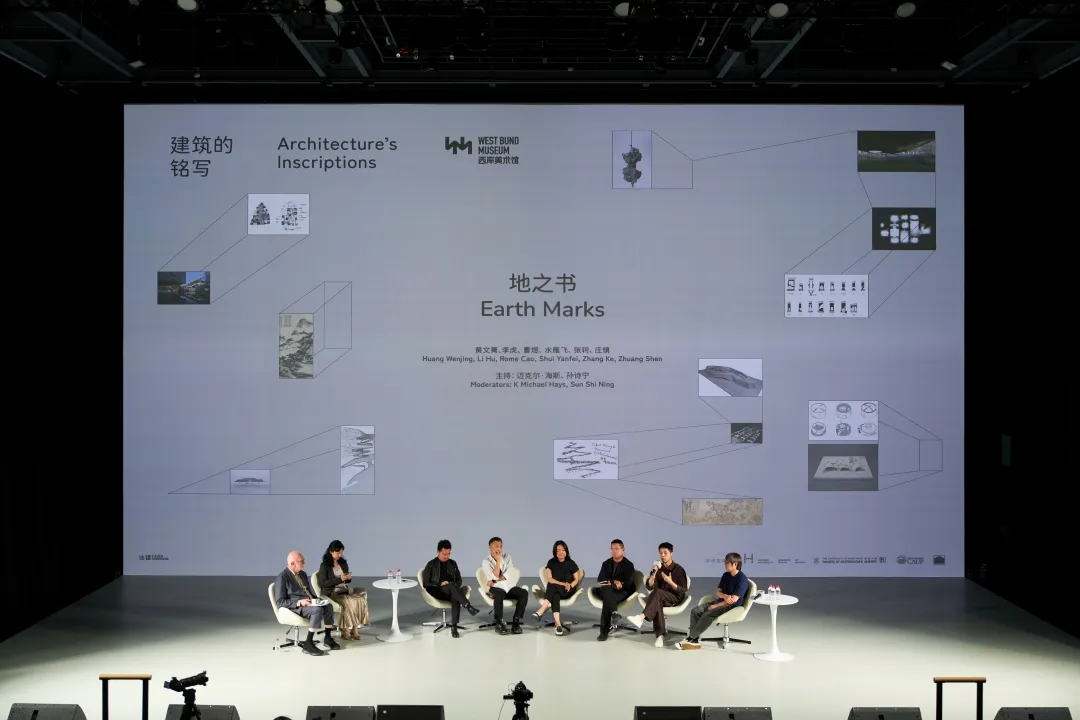
"In the past, people regarded light as a medium for transmitting information and illuminating space, but today, light should be an integral part of architecture."Cao Yu believes that architecture does not cease to evolve upon its completion; materials age, surfaces accumulate dust, and it is precisely light that continually reveals these transformations, endowing the work with a fully realized temporal dimension.“Light, space, and architecture are in symbiosis, with temporality at the heart of this relationship.”
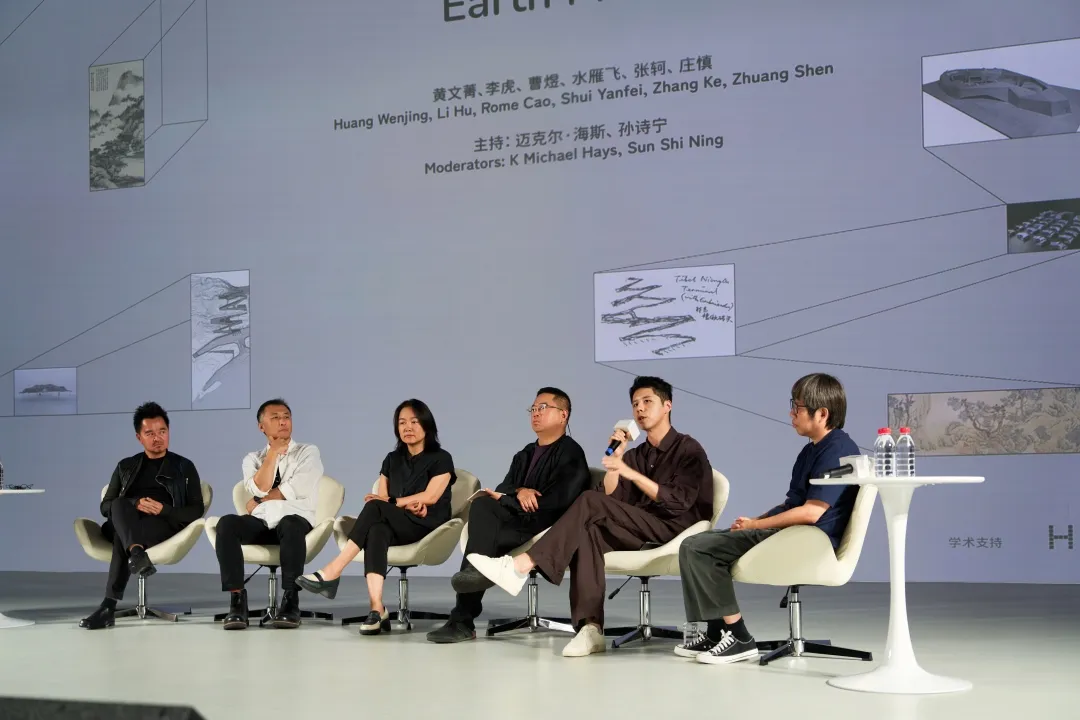
This also echoes OLL's understanding of light. With "advocating light" as the brand gene, OLL adheres to the concise design language and the continuous exploration of materials, structure and light and shadow, so that lamps and lanterns can realize the functional value and become a part of space expression. At the same time, OLL also continues to communicate and co-create with architects and designers to expand the infinite possibilities of light in real projects.As expressed in the brand philosophy “OLL is ALL, Light Illuminates All,” light is not merely an adjunct to space; it is the starting point that opens the door to all possibilities.
An exhibition that invites architecture, art, and light to engage in a dialogue within the same space—the “Inscriptions of Architecture” exhibition—It is both an OLL‑led experiment in exhibition lighting and a further catalyst for public reflection on the relationship between light and architecture.Looking ahead, OLL will continue to delve into architectural and artistic spaces, delivering high-quality lighting that balances technical expertise with design sensibility to meet the diverse needs of each project and setting, making light a pivotal force in bridging design concepts and spatial experience.
Project Name:“The Inscription of Architecture” Exhibition Lighting Design Project
Project address:Shanghai Tank Art Center
Comprehensive Lighting Solutions:OLL Oule
The exhibition “The Inscription of Architecture,” co-curated by K. Michael Hays, professor at Harvard University’s Graduate School of Design, and Dr. Sun Shining, opened on July 9 at the Tank Shanghai Art Center.The exhibition brings together works by 14 Chinese architects and 8 contemporary artists, initiating a dialogue that spans architecture, art, and historical texts.
Unlike traditional architecture exhibitions that are organized around individual projects, this exhibition employs a variety of media and works at different scales to create a multifaceted viewing experience, thereby placing higher demands on spatial layering and the presentation of the artworks.As the exhibition lighting and illumination technical support provider, OLL, OP Lighting’s design brand, integrates the characteristics of the exhibits with the curatorial narrative to deliver lighting design and technical support.While clearly presenting the work, it also participates in establishing spatial relationships and visual order.
In response to the diverse artistic forms presented in the exhibition,OLL employs differentiated lighting strategies that align with both the forms of the exhibits and the curatorial requirements.For planar works such as sketches and ancient texts, directional spotlights are used to achieve precise focusing, rendering lines, brushstrokes, and paper‑surface details with greater clarity. Large‑format scrolls displayed vertically are illuminated by floodlights that evenly cover the entire composition, preventing localized over‑exposure or abrupt transitions between light and shadow. On architectural models, the overhead lighting is carefully controlled in terms of its angle of incidence, subtly preserving shadows to evoke the texture and materiality of a real‑world building. The distinct lighting zones are seamlessly integrated, creating a clear and well-organized illumination environment that enhances the richness of the exhibition content.
Above the second-floor exhibition hall,The OLL lighting design team suspends square luminaires on slender cables, while Zhang Yonghe, founder of Very Architecture and curator of the exhibition “The Inscription of Architecture,” has integrated this approach into his spatial concept by adding conical shades above the fixtures.The lamp body, shade, and horizontally and vertically extending suspension cables are integrated into the spatial composition, echoing the perspective lines painted on the wall and interweaving with one another within the space. While illuminating the exhibits, the lighting fixtures seamlessly integrate into the space, becoming an integral part of the overall exhibition design.
OLL engaged in conversations with architect Zhang Yonghe, who designed the exhibition’s spatial presentation, and with participating architect Guo Liao Hui.From the perspectives of spatial composition and visual experience, this paper examines how light contributes to the articulation of architecture.
When designing this exhibition, Zhang Yonghe initially planned to render shadows directly onto the architectural models; however, he ultimately opted to employ real lighting, meticulously adjusting the position and beam spread of each fixture so that light and shadow would fall naturally upon the models.This interplay of light and shadow, rendered with natural illumination, has become one of the design details he finds most satisfying in this exhibition.In addition, he regards the walls, chandeliers, and the lines created by light and shadow as integral components of the spatial design, thereby shaping a complex yet legible spatial syntax within the exhibition hall. As he said:“The light cast by a single lamp, in essence, redefines a space within the existing interior.”
Guo Liahui, on the other hand, is more concerned with how architecture is “read” by its audience. Compared with real buildings, models and drawings in the exhibition space inevitably lose their original sense of scale and material qualities.And light, precisely, becomes the crucial medium that bridges the work and its audience.By guiding the viewer through the content and harmonizing the relationships among luminance levels, audiences can more accurately interpret the messages conveyed by the architecture.
At the “Inscription of Architecture” academic forum held on the day of the exhibition’s opening, curator Michael Hays proposed:“Light is of paramount importance to architecture, yet why is it that, today—both in China and abroad—we engage in increasingly less in-depth discourse on the subject?”On this issue, OLL’s CEO Cao Yu, from the perspective of lighting design, has once again placed light at the heart of architectural discourse.
"In the past, people regarded light as a medium for transmitting information and illuminating space, but today, light should be an integral part of architecture."Cao Yu believes that architecture does not cease to evolve upon its completion; materials age, surfaces accumulate dust, and it is precisely light that continually reveals these transformations, endowing the work with a fully realized temporal dimension.“Light, space, and architecture are in symbiosis, with temporality at the heart of this relationship.”
This also echoes OLL's understanding of light. With "advocating light" as the brand gene, OLL adheres to the concise design language and the continuous exploration of materials, structure and light and shadow, so that lamps and lanterns can realize the functional value and become a part of space expression. At the same time, OLL also continues to communicate and co-create with architects and designers to expand the infinite possibilities of light in real projects.As expressed in the brand philosophy “OLL is ALL, Light Illuminates All,” light is not merely an adjunct to space; it is the starting point that opens the door to all possibilities.
An exhibition that invites architecture, art, and light to engage in a dialogue within the same space—the “Inscriptions of Architecture” exhibition—It is both an OLL‑led experiment in exhibition lighting and a further catalyst for public reflection on the relationship between light and architecture.Looking ahead, OLL will continue to delve into architectural and artistic spaces, delivering high-quality lighting that balances technical expertise with design sensibility to meet the diverse needs of each project and setting, making light a pivotal force in bridging design concepts and spatial experience.